
New Year, New Security Habits: Cyber Resolutions for 2026

The new year is a good time to build safer online habits. Cyber criminals continue to target individuals through scams, fraud, and online deception. However, small, simple actions can significantly reduce the risk of falling victim.
We have put together a set of cyber resolutions anyone can keep, to help ensure they start the year securely.
1. Practice Good Password Security
Using weak or reused passwords makes it easier for cyber criminals to access accounts if one password is compromised, which is why good password security starts with strong, unique passwords that are stored safely.
Good habits include:
Using long passwords made up of a mix of words, numbers, and symbols.
Avoiding personal or easily guessed information.
Using a reputable password manager to create and store passwords securely.
Read our full password security advice here.
2. Turn on Two-Factor Authentication (2FA)
Two-Factor Authentication (2FA), or multi-factor authentication, adds an extra layer of protection beyond a password. Even if login details are stolen, 2FA can help prevent unauthorised access.
Where possible:
Enable 2FA on email, banking, and social media accounts.
Use biometrics, messages or app-based authentication where available.
For more information read our guidance on using Two-Factor Authentication.
3. Be Alert to Phishing Scams
Phishing remains one of the most common ways criminals steal information or money. These scams often appear as emails, text messages, or calls pretending to be from trusted organisations or people.
Common signs of phishing include:
Urgent or threatening language that pressures you to act quickly.
Requests for personal or financial information.
Unexpected links or attachments.
Messages that contain spelling errors or unfamiliar sender details.

4. Avoid Oversharing Online
Sharing too much personal information online can make it easier for criminals to commit identity fraud, by impersonating or targeting individuals.
Stay mindful by:
Regularly reviewing privacy settings.
Avoiding sharing sensitive personal details.
Being cautious with online quizzes, competitions, and giveaways, that may be designed to collect your information.
Learn more about identity theft and protecting your data in our free guide: Protecting Your Personal Information: A Guide to Data Breaches
5. Be Cautious With Investments
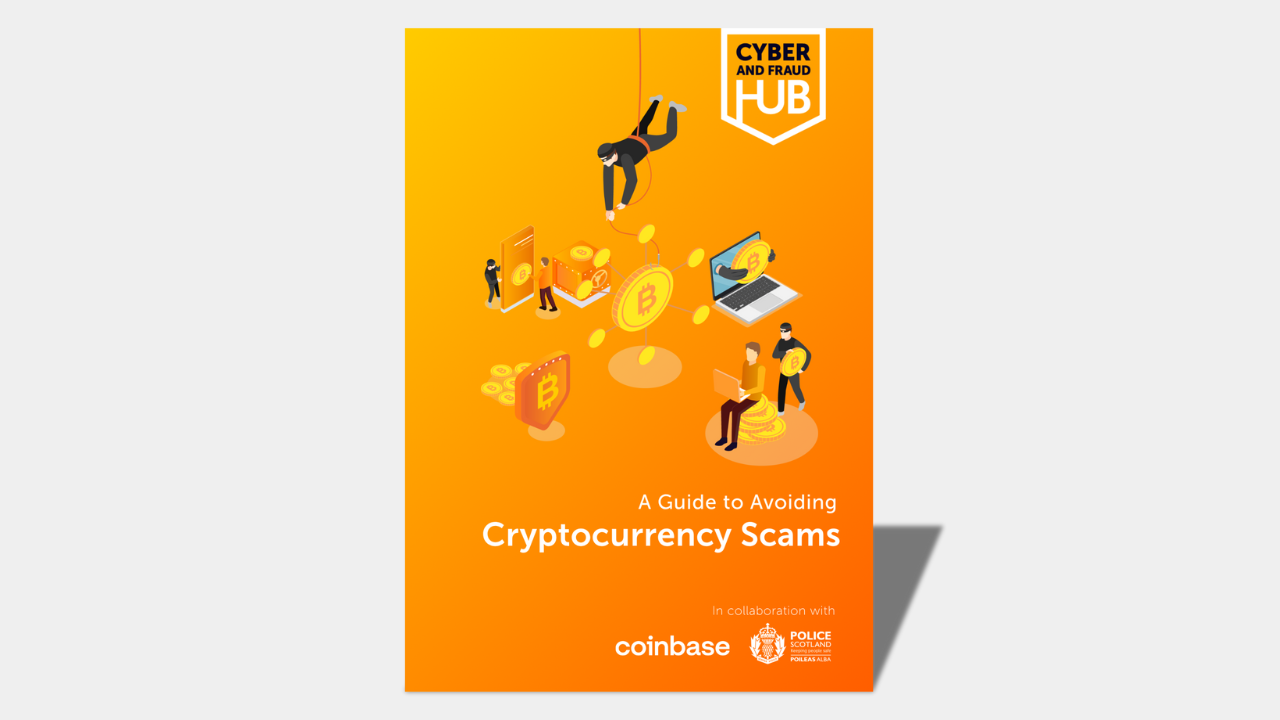
Interest in cryptocurrency continues to grow, and scammers often take advantage of people who are new to investing. Fake investment opportunities may promise high or guaranteed returns, apply pressure to act quickly, or encourage secrecy.
Stay safe:
Take time to research before investing, speak to trusted people or financial advisors before investing.
Before using a platform or service, check that it’s genuine. In the UK, you can search the FCA Register to see if a firm or individual is authorised.
For practical advice and common warning signs, read our Guide to Avoiding Cryptocurrency Scams.
6. Keep Devices and Apps Updated
Software updates often include important security fixes. Delaying updates can leave devices exposed to known vulnerabilities.
Simple steps:
Turning on automatic updates.
Checking your phones, laptops, and apps regularly to ensure they are up to date.
7. Watch Out for Ticket Fraud
Throughout the new year, many people attend concerts, sporting events, and festivals. Scammers take advantage of this by advertising fake or non-existent tickets online. Ticket fraud often occurs through social media, unofficial resale websites, or private messages offering last-minute deals.
To reduce risk:
Buy tickets from official sellers or authorised resellers. If you’re unsure, check for accreditation with STAR (Secure Tickets from Authorised Retailers).
Be cautious of deals that seem too good to be true
Before entering payment details, ensure the website uses HTTPS (look for the padlock icon) and has a domain name that matches the official seller.
Avoid clicking links sent via unsolicited messages or social media posts.
For more information read our ticket fraud guidance.
8. Check Financial Accounts Regularly

Fraud is easier to stop when it is identified early. Regular monitoring can help detect suspicious activity before losses increase.
Helpful habits include:
Reviewing bank and card statements.
Setting up account alerts where available.
Stay secure from fraud and scams this year by adopting these good habits. You can also stay scam savvy by following the Cyber and Fraud Hub on social media for regular updates and resources.